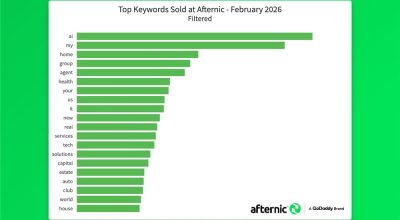
The domain name market intensifies its differentiation in the second half of 2026, and relying on a single indicator can easily lead to misjudgments. Registration volume, transaction price, and new TLD application lists each have their own roles and should not be considered in isolation; a combined analysis is necessary.
Registration volume is a reference for popularity, not a buy signal. Many new suffixes rely on low prices in the first year to boost volume, resulting in a surge in registrations but low renewal rates and mass deletions upon expiration, representing a false boom. Renewal rates and deletion volumes are more important than new registrations to determine genuine holding intentions.
Transaction price is the most crucial verification indicator. Prioritize tracking actual transactions in the secondary market, distinguishing between individual high prices and overall market trends. Focus on mass transactions with the same root and character specifications to identify end-user acquisition needs and avoid the market illusion created by isolated sky-high prices.
New TLD application lists are for long-term forward-looking analysis, suitable for early positioning in relevant keywords rather than immediate heavy investment. New domain extensions have a lengthy application, approval, and implementation cycle, and carry high policy risks. They should only be used as a reference for thematic trends and are not suitable for short-term speculation.

Practical Observation Checklist for the Second Half of the Year:
Transaction Data: Track platforms such as NameBio, analyze the median transaction price of domains in the same category, screen end-user acquisition cases, and eliminate isolated cases of speculation.
Extension Fundamentals: Check renewal rates, deletion rates, and registry pricing; avoid extensions with low first-year prices and skyrocketing renewal fees.
New TLD Dynamics: Pay attention to ICANN application lists and government objection announcements to predict market trends and pre-position keywords with small positions.
Category Selection: Prioritize short characters, general brand terms, and AI-related essential keywords; be cautious about bulk stockpiling long-tail and miscellaneous domains.
Risk Control Indicators: Record expiration redemption rates and the number of participants in bidding; control the number of holdings and reserve funds for renewal.
Domain investment focuses on end-user demand, not just theoretical data. Registration volume reflects market sentiment, transaction price reflects actual purchasing power, and new TLDs reflect future expectations. Combining these three factors is essential to reducing the probability of making mistakes in a divergent market.
The article comes from the Internet. If there is any infringement, please notify me to delete it. Please indicate the source when reprinting!
If you have news to publish, please send it to:article@domain.news