

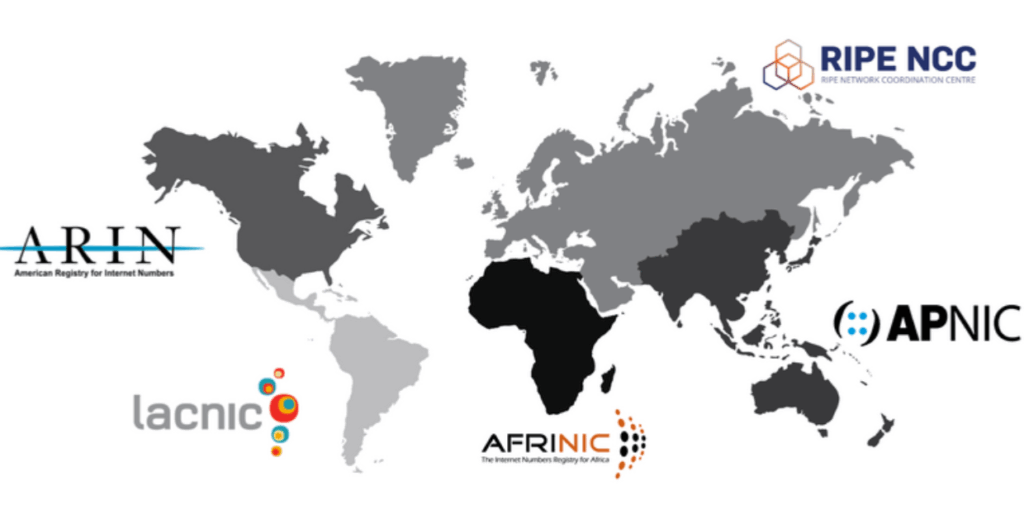

Africa’s regional internet registry, AfriNIC, is inching toward structural reform after years of legal turmoil, insolvency, and governance breakdown. While a court-supervised board election scheduled for June 23, 2025, aims to restore legitimacy, the ongoing IPv4 dispute with Cloud Innovation Ltd. (CI) continues to cast a long shadow over AfriNIC—and potentially the entire system of global IP address management.
Legal Struggles and Financial Crisis
AfriNIC has been embroiled in a legal battle with CI since 2020 over the allocation of valuable IPv4 address blocks. The conflict reached a tipping point when the Supreme Court of Mauritius froze up to $50 million in AfriNIC’s accounts in 2021, nearly paralyzing the registry. Though that decision was later reversed, the crisis deepened, and by February 2025, the court appointed Gowtamsingh Dabee as insolvency administrator.
Dabee was tasked with organizing board elections, which were delayed past their original April deadline but are now confirmed for June 23, 2025. A hybrid voting model will allow online participation from June 16, facilitated by Civica Election Services Ltd. in the UK.
Fears of Election Manipulation and Outside Influence
Dabee has raised concerns about potential manipulation, appointing a special election committee chaired by UK barrister Simon Nicholas Davenport KC to ensure integrity. Reports previously published on CapeIndependent.com (now deleted following legal threats) alleged that individuals linked to Chinese businessman Lu Heng, including a candidate named Paul Wollner, may be attempting to influence AfriNIC’s future.
Lu Heng, associated with Cloud Innovation and Larus Ltd., is accused of promoting the privatization of IP addresses, turning them into unregulated assets for sale and lease across regions, bypassing traditional governance controls. Critics warn this could accelerate IPv4 exhaustion and inflate address prices globally, threatening the regional allocation model managed by the five RIRs.
A Global Governance Shake-Up?
The instability surrounding AfriNIC has caught the attention of the broader internet governance community. The Number Resource Organization (NRO), the umbrella body of the five RIRs, recently circulated a draft RIR Governance Document on April 14, 2025, introducing mechanisms for deregistering an RIR.
Key proposals include:
- Deregistration can be triggered by one RIR or 25% of the RIR’s members.
- Final authority rests with ICANN, not the NRO.
- RIRs must maintain operational and financial stability, non-profit status, and not endanger global registry operations.
Public comments on the proposal are open until May 27, 2025—just weeks before AfriNIC’s elections.
What’s at Stake
With over four years of legal disputes, asset freezes, and questions of legitimacy, AfriNIC’s future hangs in the balance. But the real risk may extend beyond Africa. If AfriNIC’s collapse leads to deregistration or external influence on IP allocation, it could disrupt the entire multiregional architecture of internet number governance, undermining the cooperative model that has underpinned the global internet for decades.
News Source:domain-recht,This article does not represent our position.


